-
Merit Badges
- Legend to identify Merit Badges
- 1910 British Merit Badges
- Square 1911 - 33
- Wide Crimped 1934 & 35
-
Narrow Tan Crimped 1936 - 42
- Tan Heavyweight Cloth with Silk Embroidery and Printed Back 1936 - 37
- Tan Heavyweight Cloth with Silk Embroidery and Plain Back 1937 - 38
- Tan Lightweight Cloth with Silk Embroidery and Plain Back 1938 - 39
- Tan Lightweight Cloth with Cotton Continuous Loop Embroidery and Plain Back 1939 - 42
- Tan Lightweight Cloth with Cotton Lockstitch Embroidery and Plain Back 1939 - 42
- Blue Background 1942 - 46
- Wartime 1942 - 46
- Khaki Narrow Crimped 1946 - 59
- Green Twill Gauze Back 1960 - 68
- Fully Embroidered Merrowed Edge 1960 - 72
- Unprinted Plastic Back 1972 - 01
- Printed Plastic Back 2002 - Current
-
Merit Badge Paper
- Merit Badge Applications
- Merit Badge Cards
-
Merit Badge Pamphlets
- Type 1 White Cover - Rectangle Drawing On Cover
- Type 2 White Cover 5-375" x 8" Title at Top
- Type 3A Tan Cover - 200 Fifth Avenue
- Type 3B Tan Cover - 2 line address New York City
- Type 3C Tan Cover - 2 line address New York N.Y.
- Type 3D Tan Cover - 1 line address New York N.Y.
- Type 4 Standing Scout Cover
- Type 5A War Cover
- Type 5B Red and White
- Type 6 Photo-Red Cover
- Type 7 Full Photo Cover or Bulls-eye Cover
- Type 8 Full Photo - Green Stripe Cover
- Type 9 Full Photo - Red Stripe Cover
- Type 10A Blue Stripe - Logo above bottom blue stripe - FDL centered
- Type 10B - Blue Stripe in bottom of photo area. FDL to left of text
- Special Covers
- Boy Craft Helps
- Merit Badge Counselor's Guides
-
Youth Position
- Junior Assistant Scoutmaster
- Senior Patrol Leader
- Assistant Senior Patrol Leader
- Patrol Leader
- Assistant Patrol Leader
- Troop Guide
- Scribe
- Quartermaster
- Instructor
- Chaplain Aide
- Den Chief
- Librarian
- Musician
- Webmaster
- Bugler
- Troop Historian
- Troop Representative
- Unit Representative
- Leadership Corps
- Honor Guard
- Leave No Trace Trainer
- Outdoor Ethics Guide
-
Patrol Medallions
- Patrol Medallions Introduction
- Legend to identify Patrol Medallions
- Patrol Shoulder Knot-Ribbons
- Felt Handmade Patrol Medallions
- Square Felt Patrol Medallions
- Round Broadcloth Patrol Medallions
- Red Twill Patrol Medallions
- Multi-Color Cloth Patrol Medallions
- Tan Cloth Patrol Medallions
- Patrol Medallion Back Patches
- Woodbadge Patrol Medallion
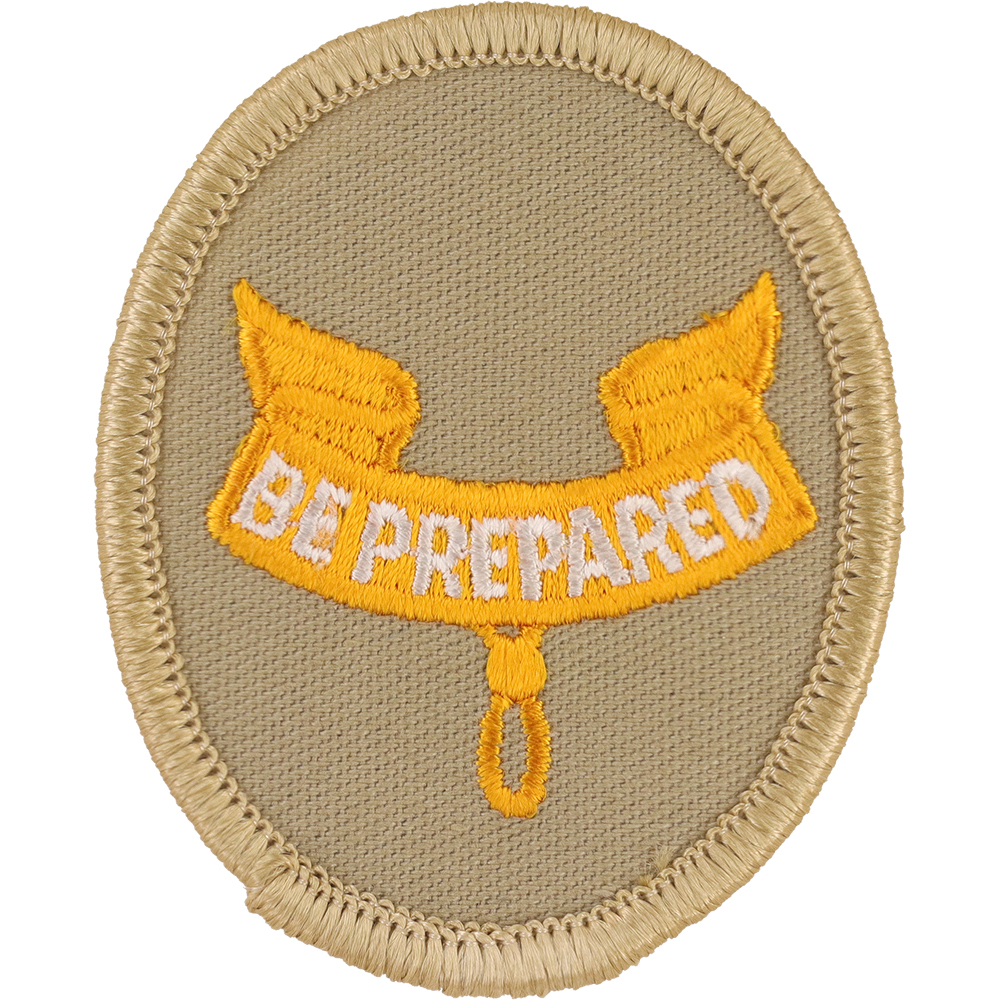
Fig. 1: SCB-1-8-04-Front
- Size: 34-11-9mm
- Cloth: Tan right twill
- Embroidery: Rayon
- Border: Merrowed edge
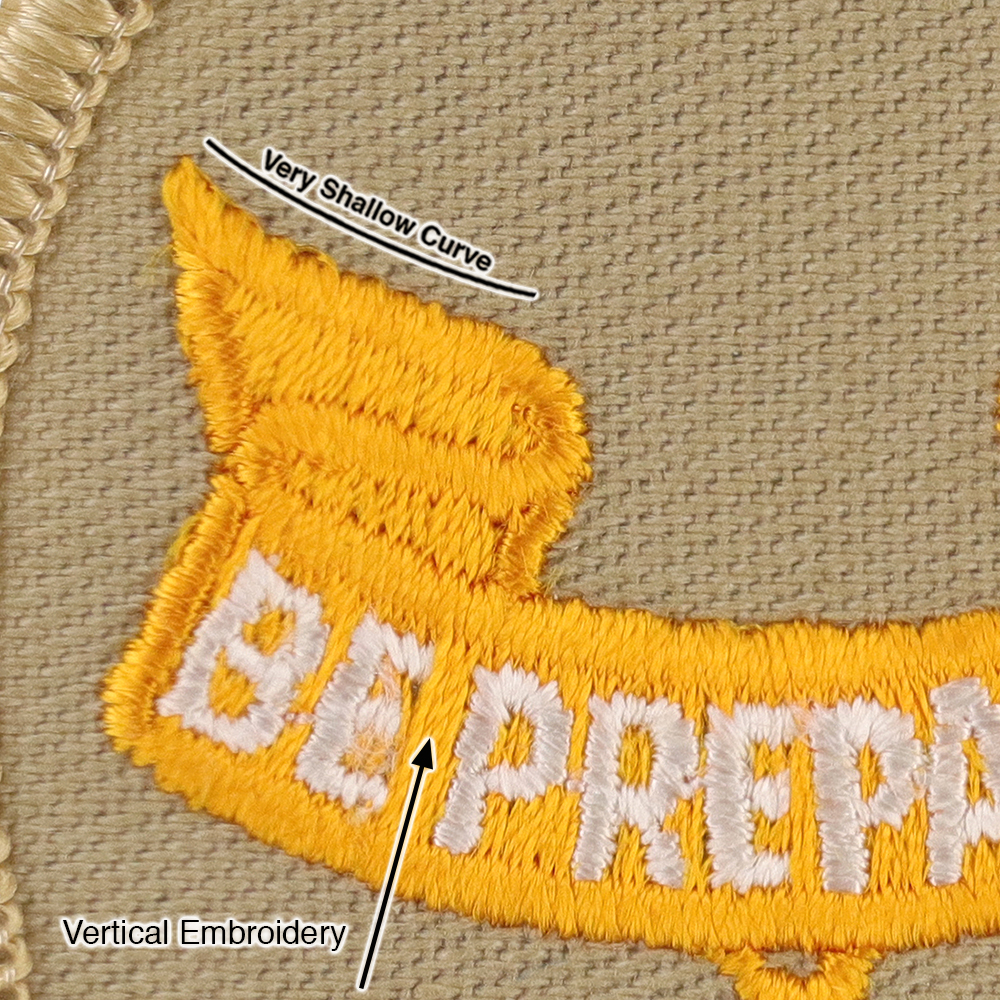
Fig. 2: SCB-1-8-04-Magnified-Scroll-Left
- Scroll Left: Tip curves up, very shallow concave curve scroll top, vertical embroidery
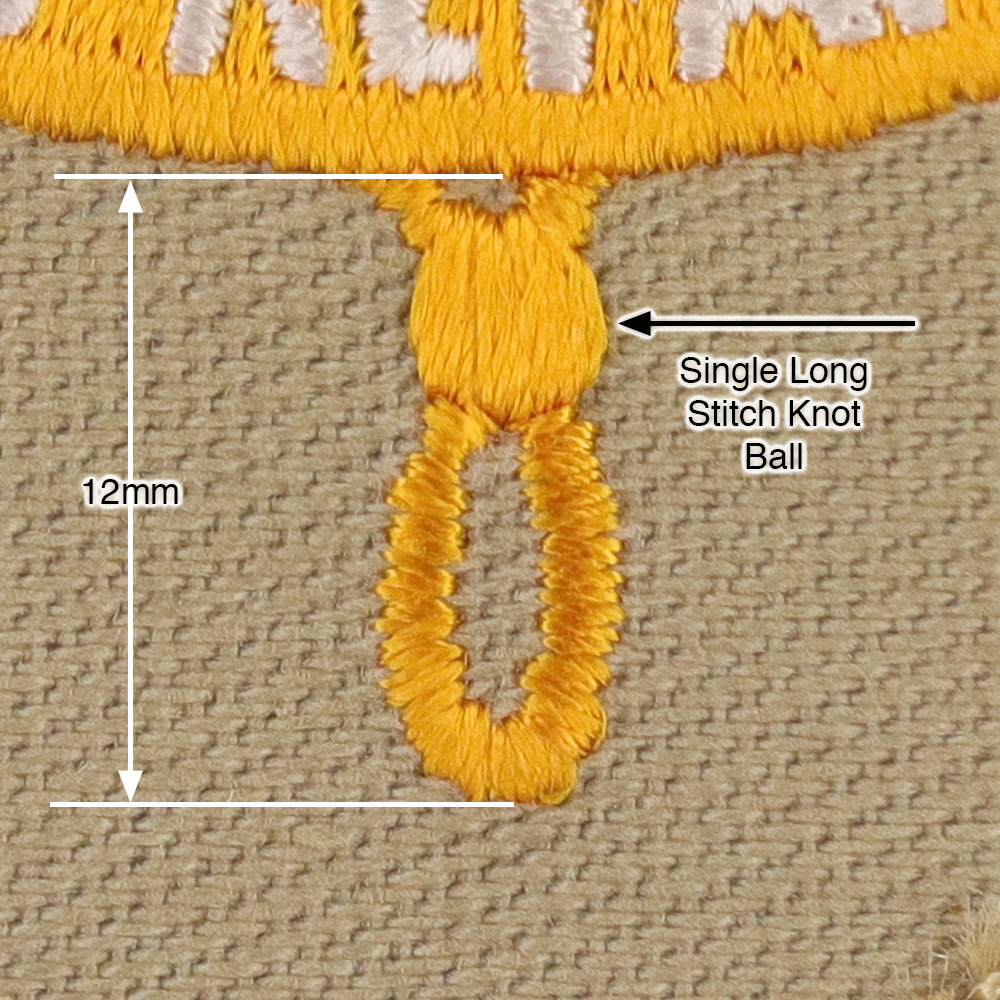
Fig. 3: SCB-1-8-04-Magnified-Knot
- Knot: 12mm rounded tip, single long stitch knot ball
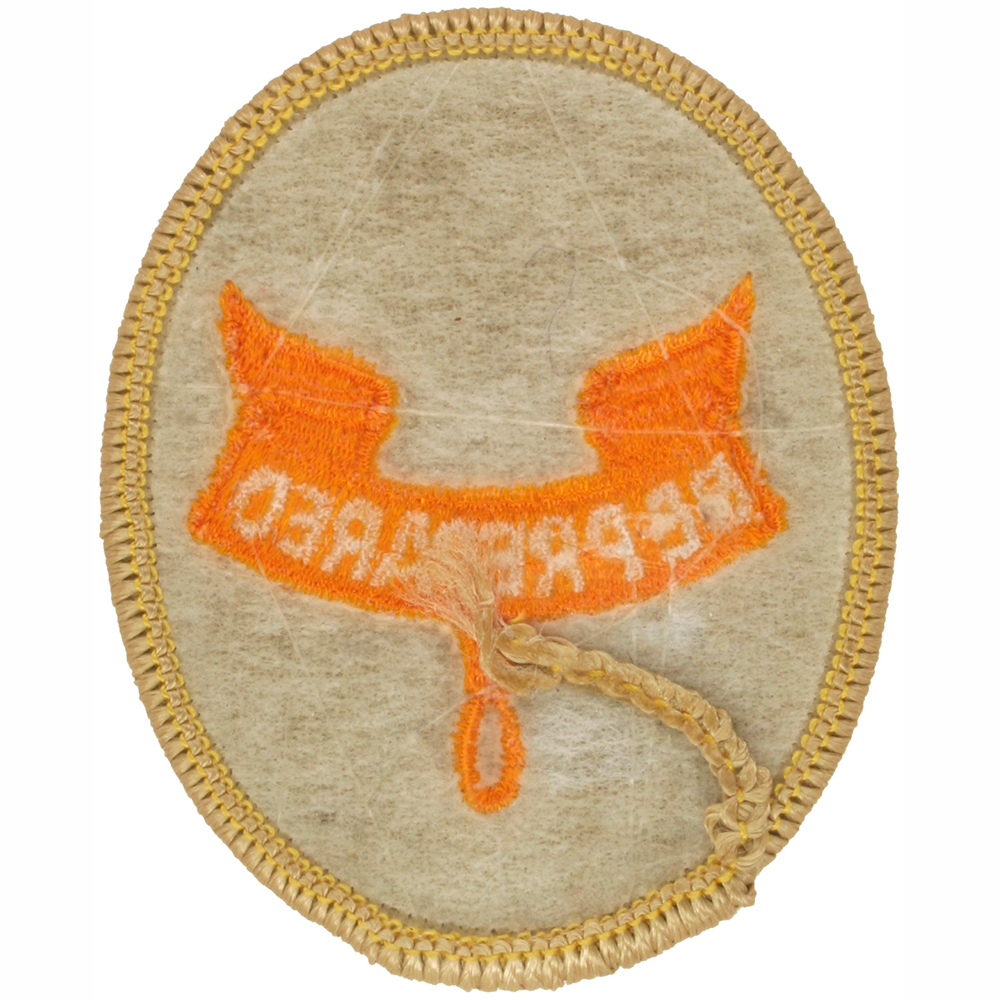
Fig. 4: SCB-1-8-04-Reverse
- Back: Pellon reinforced molded plastic back
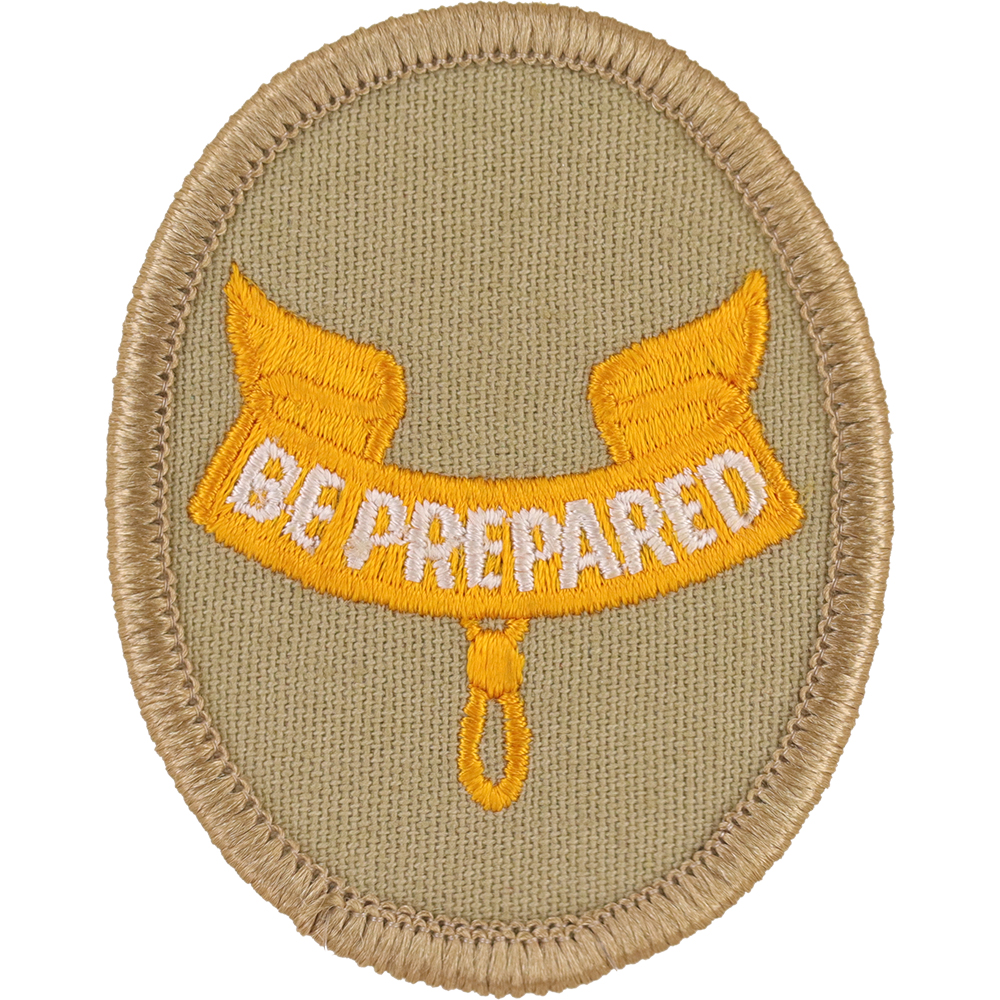
Fig. 5: SCB-1-8-04-mve1-Front
- Minor variation: Tan twill back
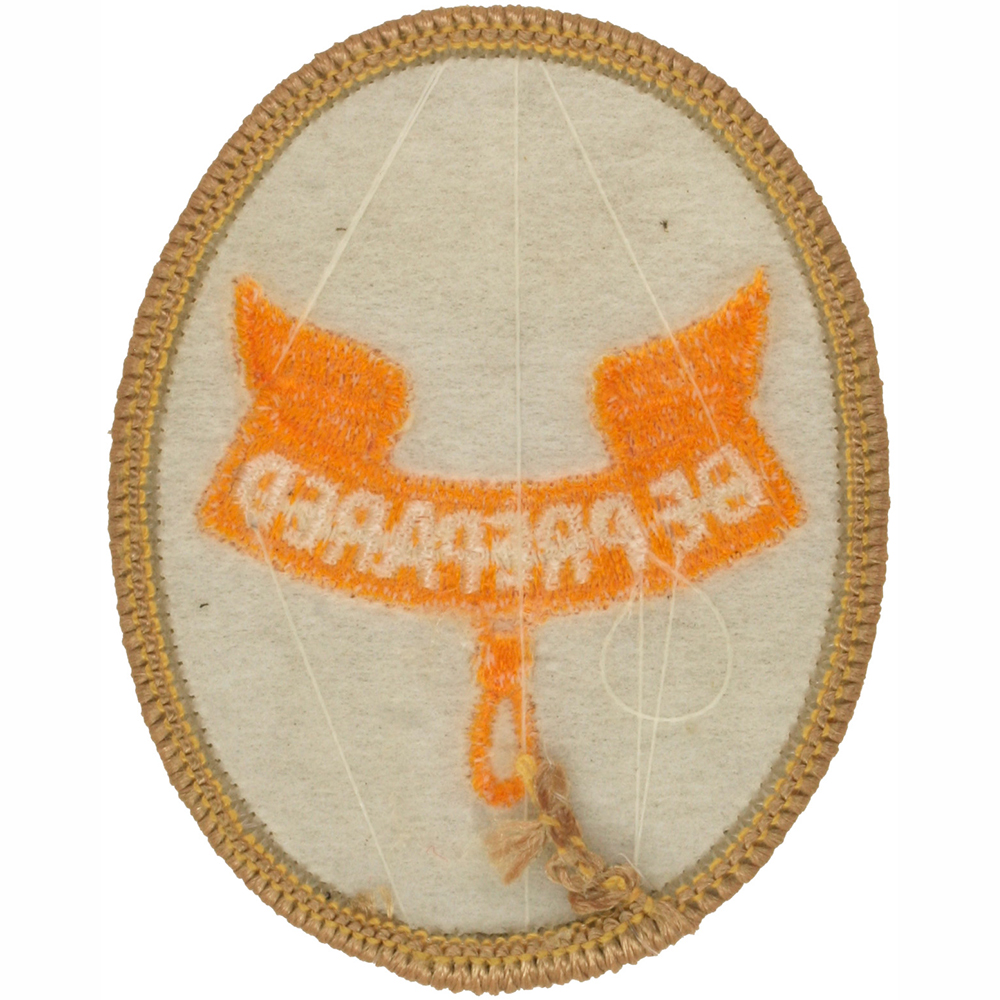
Fig. 6: SCB-1-8-04-mve1-Reverse
- Minor variation: Pellon reinforced molded plastic back
Item Name: Second Class Badge 1989 - 2002
Item ID: SCB-1-8-04
Collector Rating: 1
Requirements October 1982 until September 1989
1. Be active in your troop and patrol for at least 2 months as a Tenderfoot Scout.
2. Show Scout spirit.
3. Earn Hiking, First Aid, and one other skill award. (This is a total of five)
4. Take part in a Scoutmaster conference.
Requirements September 1989 until September 1995
1a. Demonstrate how a compass works and how to orient a map. Explain what map symbols mean.
1b. Using a compass and a map you have drawn, take a 5-mile hike (or 10 miles by bike) approved by your adult leader and your parent or guardian.
2a. Since joining, have participated in five separate troop/patrol activities (other than troop/patrol meetings), two of which included camping overnight.
2b. On one campout, demonstrate proper care, sharpening, and use of knife, saw, and ax.
2c. Use the tools listed above to prepare tinder, kindling, and fuel for a cooking fire.
2d. Light the cooking fire. Assist with the meal preparation and cleanup.
2e. On one of these campouts, select your patrol site and sleep in a tent that you pitched.
3. Participate in a flag ceremony for your school, religious institution, chartered organization, community, or troop activity.
4. Participate in an approved (minimum of 1 hour) service project.
5. Identify or show evidence of at least 10 kinds of wild animals (birds, mammals, reptiles, fish, mollusks) found in your community.
6a. Show what to do for “hurry cases” of stopped breathing, serious bleeding, and internal poisoning.
6b. Prepare a personal first aid kit to take with you on a hike.
6c. Demonstrate first aid for the following:
- Object in the eye
- Bite of a suspected rabid animal
- Puncture wounds from a splinter, nail, and fish hook
- Serious burns (second degree)
- Heat exhaustion
- Shock
7. Tell what precautions must be taken for a safe swim. Demonstrate your ability to swim 50 yards using two different strokes.
8. Participate in a school, community, or troop program on the dangers of using drugs, alcohol, and tobacco, and other practices that could be harmful to your health. Discuss your participation in the program with your family.
9. Show Scout sprit.
10. Participate in a Scoutmaster conference.
Requirements September 1995 until January 1998
1a. Demonstrate how a compass works and how to orient a map. Explain what map symbols mean.
1b. Using a compass and a map you have drawn, take a 5-mile hike (or 10 miles by bike) approved by your adult leader and your parent or guardian.
2a. Since joining, have participated in five separate troop/patrol activities (other than troop/patrol meetings), two of which included camping overnight.
2b. On one campout, demonstrate proper care, sharpening, and use of knife, saw, and ax.
2c. Use the tools listed above to prepare tinder, kindling, and fuel for a cooking fire.
2d. Light the cooking fire. Assist with the meal preparation and cleanup.
2e. On one of these campouts, select your patrol site and sleep in a tent that you pitched.
3. Participate in a flag ceremony for your school, religious institution, chartered organization, community, or troop activity.
4. Participate in an approved (minimum of 1 hour) service project.
5. Identify or show evidence of at least 10 kinds of wild animals (birds, mammals, reptiles, fish, mollusks) found in your community.
6a. Show what to do for “hurry cases” of stopped breathing, serious bleeding, and internal poisoning.
6b. Prepare a personal first aid kit to take with you on a hike.
6c. Demonstrate first aid for the following:
- Object in the eye
- Bite of a suspected rabid animal
- Puncture wounds from a splinter, nail, and fish hook
- Serious burns (second degree)
- Heat exhaustion
- Shock
- Heatstroke, dehydration, hypothermia, and hyperventilation
7. Tell what precautions must be taken for a safe swim. Demonstrate your ability to swim 50 yards using two different strokes.
8. Participate in a school, community, or troop program on the dangers of using drugs, alcohol, and tobacco, and other practices that could be harmful to your health. Discuss your participation in the program with your family.
9. Show Scout sprit.
10. Participate in a Scoutmaster conference.
Requirements January 1998 until April 1999
1a. Demonstrate how a compass works and how to orient a map. Explain what map symbols mean.
1b. Using a compass and a map you have drawn, take a 5-mile hike (or 10 miles by bike) approved by your adult leader and your parent or guardian.
2a. Since joining, have participated in five separate troop/patrol activities (other than troop/patrol meetings), two of which included camping overnight.
2b. On one campout, demonstrate proper care, sharpening, and use of knife, saw, and ax.
2c. Use the tools listed above to prepare tinder, kindling, and fuel for a cooking fire.
2d. Light the cooking fire. Assist with the meal preparation and cleanup.
2e. On one of these campouts, select your patrol site and sleep in a tent that you pitched.
3. Participate in a flag ceremony for your school, religious institution, chartered organization, community, or troop activity.
4. Participate in an approved (minimum of 1 hour) service project.
5. Identify or show evidence of at least 10 kinds of wild animals (birds, mammals, reptiles, fish, mollusks) found in your community.
6a. Show what to do for “hurry cases” of stopped breathing, serious bleeding, and internal poisoning.
6b. Prepare a personal first aid kit to take with you on a hike.
6c. Demonstrate first aid for the following:
- Object in the eye
- Bite of a suspected rabid animal
- Puncture wounds from a splinter, nail, and fish hook
- Serious burns (second degree)
- Heat exhaustion
- Shock
- Heatstroke, dehydration, hypothermia, and hyperventilation
7. Tell what precautions must be taken for a safe swim. Demonstrate your ability to swim 50 yards using two different strokes.
8. Participate in a school, community, or troop program on the dangers of using drugs, alcohol, and tobacco, and other practices that could be harmful to your health. Discuss your participation in the program with your family.
9. Show Scout sprit.
10. Participate in a Scoutmaster conference.
11. Complete your board of review.
Requirements April 1999 until January 2008
1a. Demonstrate how a compass works and how to orient a map. Explain what map symbols mean.
1b. Using a compass and a map together, take a 5-mile hike (or 10 miles by bike) approved by your adult leader and your parent or guardian.
2a. Since joining, have participated in five separate troop/patrol activities (other than troop/patrol meetings), two of which included camping overnight.
2b. On one of these campouts, select your patrol site and sleep in a tent that you pitched.
2c. On one campout, demonstrate proper care, sharpening, and use of knife, saw, and ax, and describe when they should be used.
2d. Use the tools listed in requirement 2c to prepare tinder, kindling, and fuel for a cooking fire.
2e. Discuss when it is appropriate to use a cooking fire and a lightweight stove. Discuss the safety procedures for using both.
2f. Demonstrate how to light a fire and a lightweight stove.
2g. On one campout, plan and cook over an open fire one hot breakfast or lunch for yourself, selecting foods from the four basic food groups. Explain the importance of good nutrition. Tell how to transport, store, and prepare the foods you selected.
3. Participate in a flag ceremony for your school, religious institution, chartered organization, community, or troop activity.
4. Participate in an approved (minimum of 1 hour) service project.
5. Identify or show evidence of at least 10 kinds of wild animals (birds, mammals, reptiles, fish, mollusks) found in your community.
6a. Show what to do for “hurry cases” of stopped breathing, serious bleeding, and internal poisoning.
6b. Prepare a personal first aid kit to take with you on a hike.
6c. Demonstrate first aid for the following:
- Object in the eye
- Bite of a suspected rabid animal
- Puncture wounds from a splinter, nail, and fish hook
- Serious burns (second degree)
- Heat exhaustion
- Shock
- Heatstroke, dehydration, hypothermia, and hyperventilation
7a. Tell what precautions must be taken for a safe swim.
7b. Demonstrate your ability to jump feetfirst into water over your head in depth, level off and swim 25 feet on the surface, stop, turn sharply, resume swimming, then return to your starting place.
7c. Demonstrate water rescue methods by reaching with your arm or leg, by reaching with a suitable object, and by throwing lines and objects. Explain why swimming rescues should not be attempted when a reaching or throwing rescue is possible, and explain why and how a rescue swimmer should avoid contact with the victim.
8. Participate in a school, community, or troop program on the dangers of using drugs, alcohol, and tobacco, and other practices that could be harmful to your health. Discuss your participation in the program with your family.
9. Demonstrate Scout sprit by living the Scout Oath (Promise) and Scout Law in your everyday life.
10. Participate in a Scoutmaster conference.
11. Complete your board of review.