-
Merit Badges
- Legend to identify Merit Badges
- 1910 British Merit Badges
- Square 1911 - 33
- Wide Crimped 1934 & 35
-
Narrow Tan Crimped 1936 - 42
- Tan Heavyweight Cloth with Silk Embroidery and Printed Back 1936 - 37
- Tan Heavyweight Cloth with Silk Embroidery and Plain Back 1937 - 38
- Tan Lightweight Cloth with Silk Embroidery and Plain Back 1938 - 39
- Tan Lightweight Cloth with Cotton Continuous Loop Embroidery and Plain Back 1939 - 42
- Tan Lightweight Cloth with Cotton Lockstitch Embroidery and Plain Back 1939 - 42
- Blue Background 1942 - 46
- Wartime 1942 - 46
- Khaki Narrow Crimped 1946 - 59
- Green Twill Gauze Back 1960 - 68
- Fully Embroidered Merrowed Edge 1960 - 72
- Unprinted Plastic Back 1972 - 01
- Printed Plastic Back 2002 - Current
-
Merit Badge Paper
- Merit Badge Applications
- Merit Badge Cards
-
Merit Badge Pamphlets
- Type 1 White Cover - Rectangle Drawing On Cover
- Type 2 White Cover 5-375" x 8" Title at Top
- Type 3A Tan Cover - 200 Fifth Avenue
- Type 3B Tan Cover - 2 line address New York City
- Type 3C Tan Cover - 2 line address New York N.Y.
- Type 3D Tan Cover - 1 line address New York N.Y.
- Type 4 Standing Scout Cover
- Type 5A War Cover
- Type 5B Red and White
- Type 6 Photo-Red Cover
- Type 7 Full Photo Cover or Bulls-eye Cover
- Type 8 Full Photo - Green Stripe Cover
- Type 9 Full Photo - Red Stripe Cover
- Type 10A Blue Stripe - Logo above bottom blue stripe - FDL centered
- Type 10B - Blue Stripe in bottom of photo area. FDL to left of text
- Special Covers
- Boy Craft Helps
- Merit Badge Counselor's Guides
-
Youth Position
- Junior Assistant Scoutmaster
- Senior Patrol Leader
- Assistant Senior Patrol Leader
- Patrol Leader
- Assistant Patrol Leader
- Troop Guide
- Scribe
- Quartermaster
- Instructor
- Chaplain Aide
- Den Chief
- Librarian
- Musician
- Webmaster
- Bugler
- Troop Historian
- Troop Representative
- Unit Representative
- Leadership Corps
- Honor Guard
- Leave No Trace Trainer
- Outdoor Ethics Guide
-
Patrol Medallions
- Patrol Medallions Introduction
- Legend to identify Patrol Medallions
- Patrol Shoulder Knot-Ribbons
- Felt Handmade Patrol Medallions
- Square Felt Patrol Medallions
- Round Broadcloth Patrol Medallions
- Red Twill Patrol Medallions
- Multi-Color Cloth Patrol Medallions
- Tan Cloth Patrol Medallions
- Patrol Medallion Back Patches
- Woodbadge Patrol Medallion
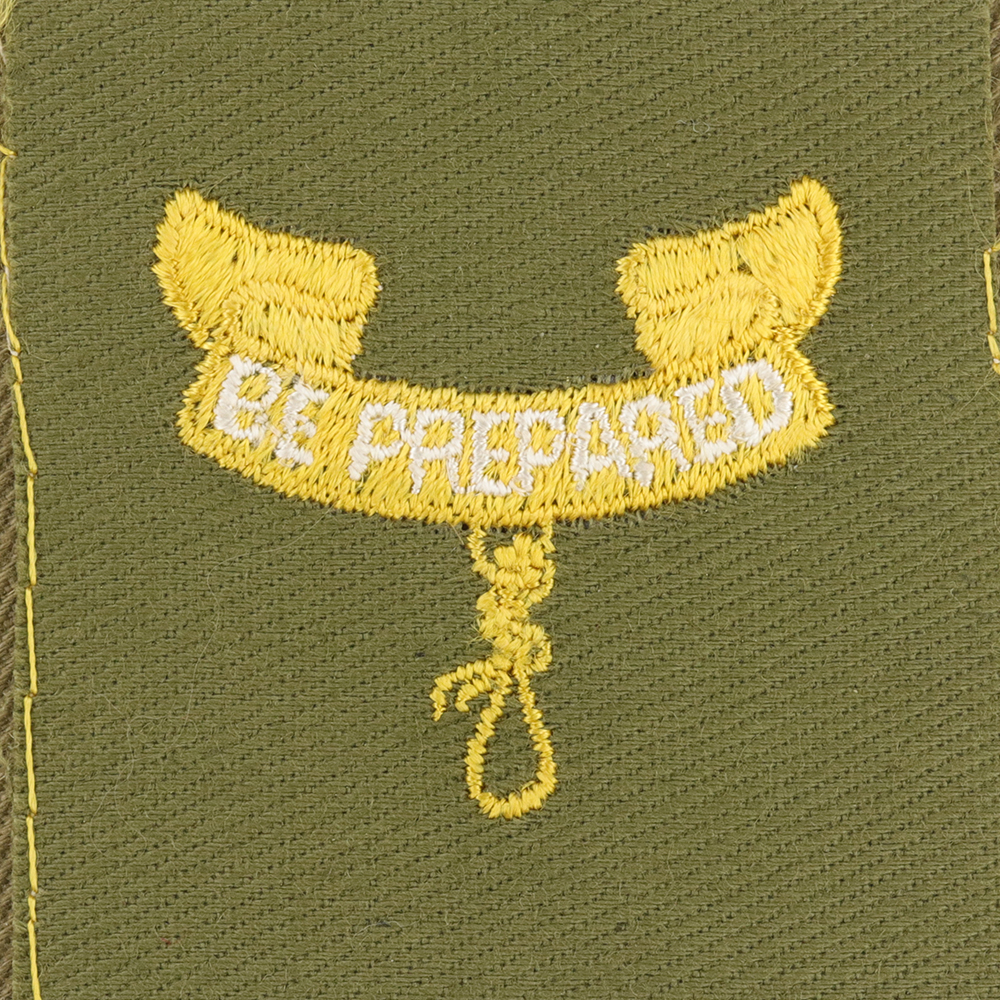
Fig. 1: SCB-1-4-03-Front
- Size: 37-13-7mm
- Cloth: Khaki coarse right twill
- Embroidery: Cotton lock stitch
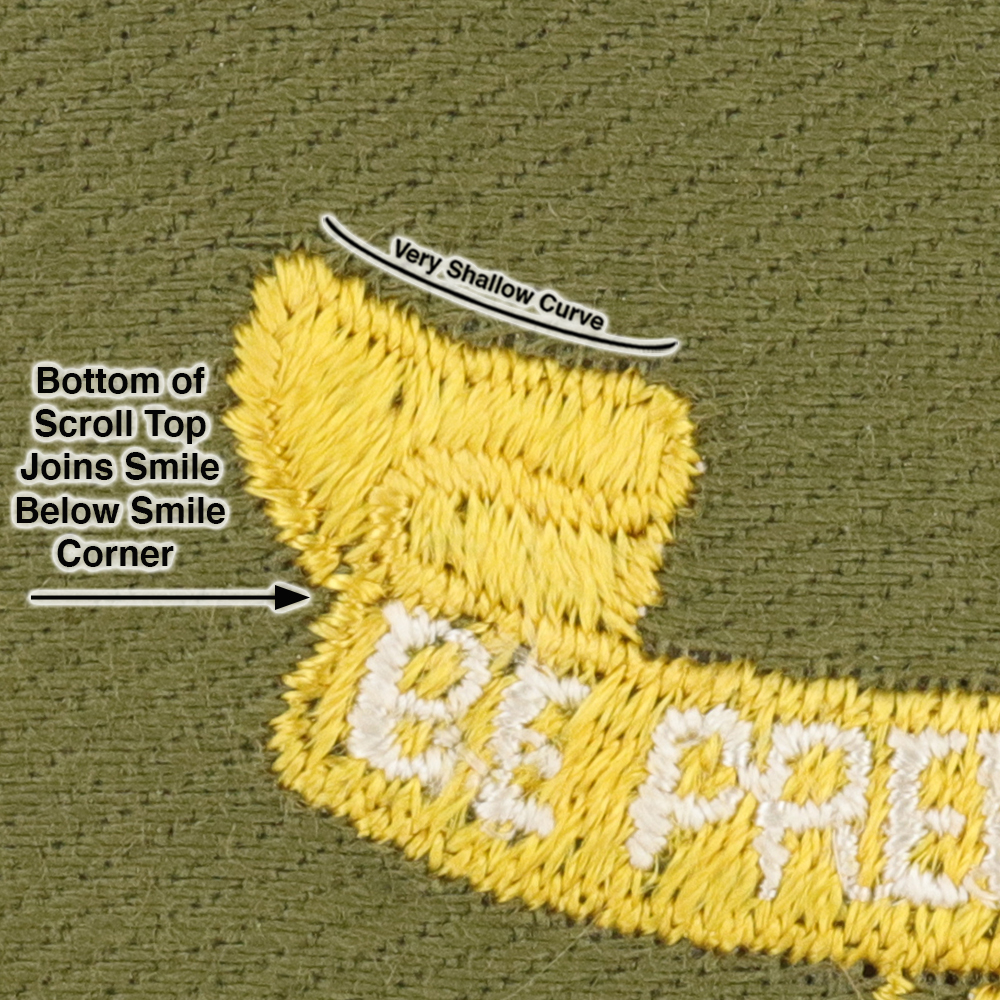
Fig. 2: SCB-1-4-03-Magnified-Scroll-Left
- Scroll Left: Very shallow concave curve scroll top, bottom of scroll top joins smile below smile corner, closed ended smile
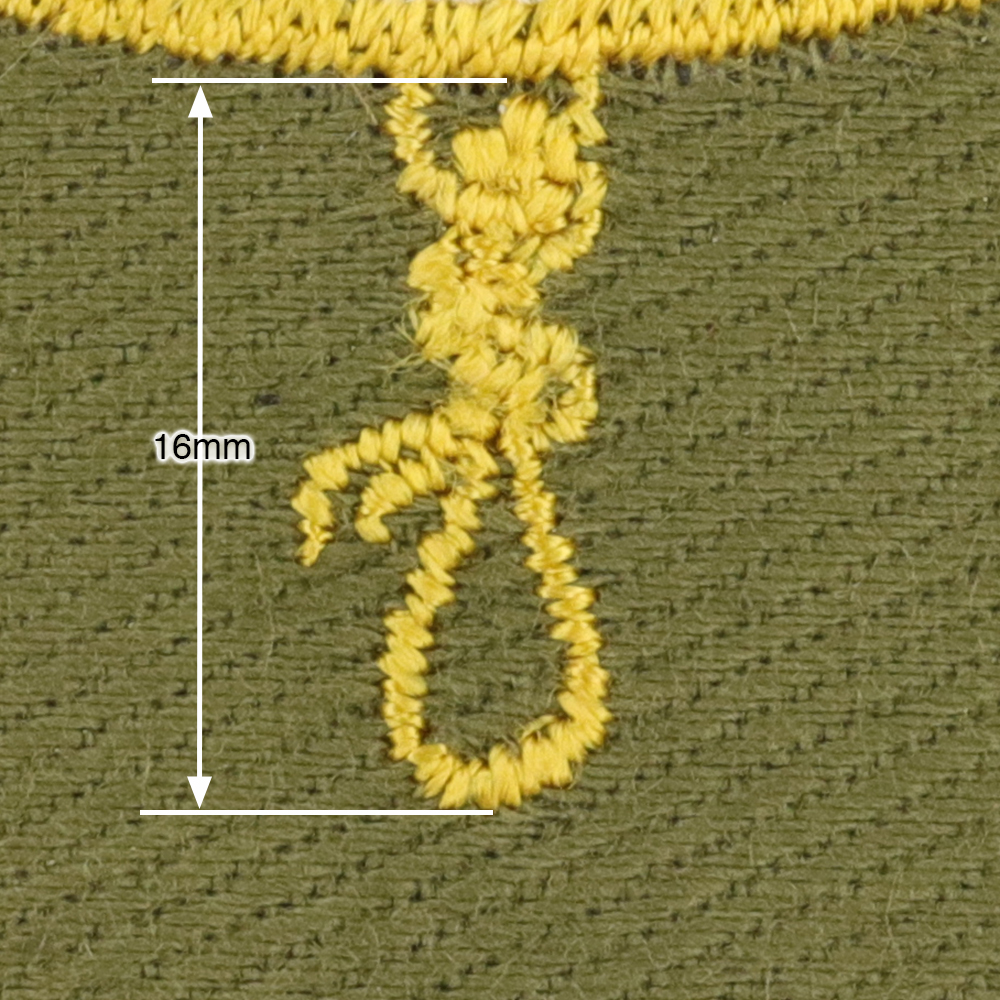
Fig. 3: SCB-1-4-03-Magnified-Knot
- Knot: 16mm knot
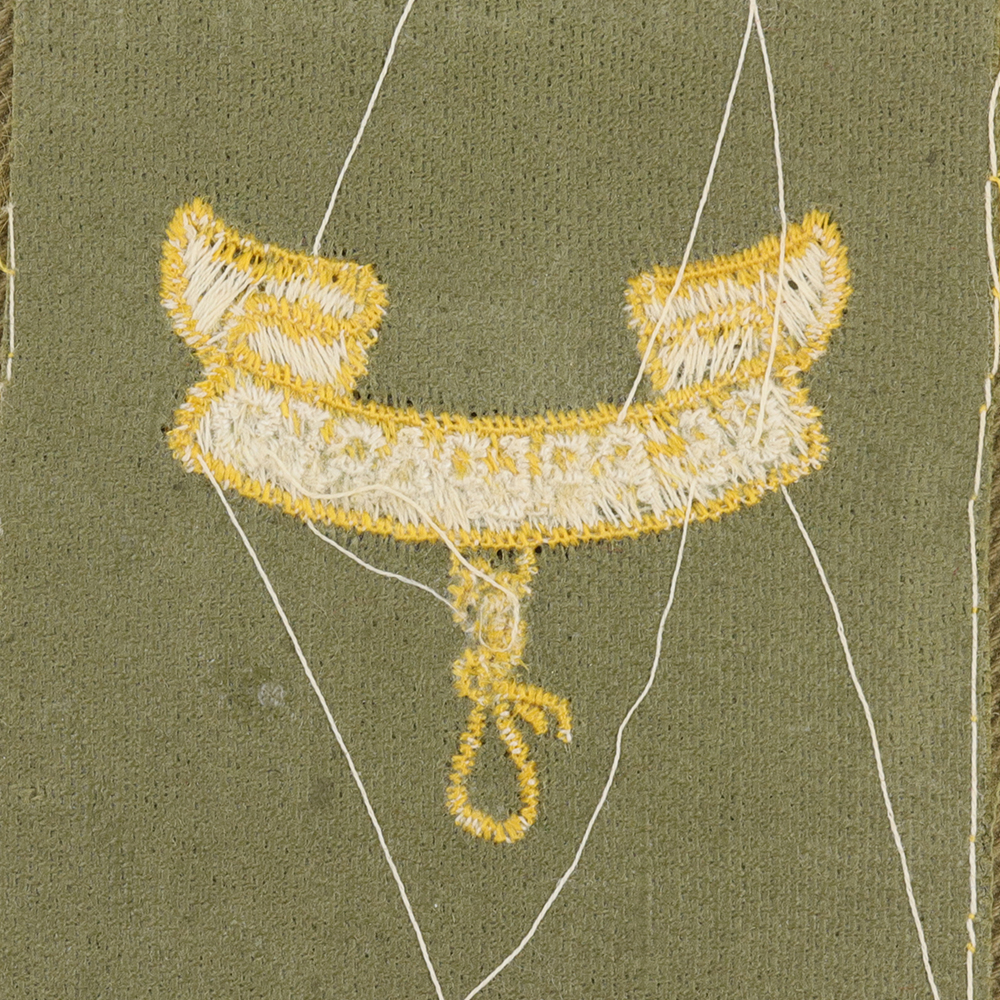
Fig. 4: SCB-1-4-03-Reverse
- Back: Starched back
Item Name: Second Class Badge 1946 - 1954
Item ID: SCB-1-4-03
Collector Rating: 1
Requirements September 1944 until January 1947
1. Have at least one month’s service as a Tenderfoot an know how and when to wear the Scout uniform.
2. (a) Show what to do, including proper dressing and binder where necessary, for cut on finger; knee deeply scraped and bleeding; cut on forearm; bleeding nose; blister on heel; severe scald from hot liquid or steam; black eye; fainting; shock; blow in pit of stomach, apparent death from inhaling gas, drowning or electric shock
(b) Tell what should and what should not be done for pimple on face; earache; splinter under finger nail; cinder in eye; sunburn.
Tell danger of taking a physic for pain or soreness in region of stomach without first consulting a physician.
3. Elementary signaling: know the alphabet of the Semaphore Code; or the General Service (International Morse) Code; or the letters of the Manual Alphabet for the deaf, either with one or two hands.
4. Track half mile in twenty-five minutes; or, if in town, describe satisfactorily the contents of one store window out of four, observed for one minute each.
5. Go a mile in twelve minutes at scout pace – about fifty steps running and fifty walking, alternately; or lay out, measured by the stride method and stake a four acre tract of land
6. Use properly knife and hatchet.
7. Prove ability to build a fire in the open, using not more than two matches; care for, and put it out.
8. Cook a quarter of a pound of meat and two potatoes in the open without the ordinary cooking.
9. Earn and deposit at least one dollar in a public bank or other savings institution. (U.S. War Savings Bonds and Stamps, also premiums paid on life insurance are accepted, if earned); or earn, own and raise some farm animal, or earn and contribute at least one dollar or its equivalent to the family budget or to welfare work in the community.
10. Know the sixteen principle points of the compass.
11. Demonstrate his practice of at least five rules of safety at home, or work, or school, or on the street, or road, or farm.
12. Furnish satisfactory evidence that he has put into practice in his daily life the principles of the Scout Oath and Law.
Requirements January 1947 until June 1948
I. Scout Sprit
While a Tenderfoot Scout, satisfy your Scout leaders that you do your best, in your everyday life, to live up to:
1. The Scout Oath or Promise
2. The Scout Law
3. The Scout Motto
4. The Scout Slogan
II. Scout Participation
While a Tenderfoot Scout, make a record, satisfactory to your Scout leaders, that shows that you:
1. Work actively in Patrol and Troop meetings, outdoor activities and service projects.
2. Do your share in helping in your home, your Patrol, your Troop, your school, your church and your community.
3. Take care of things that belong to you, the property of others, and your country’s natural resources.
4. Maintain a personal account in a savings bank or institution.
III. Scoutcraft
1. PREPARE FOR SCOUT HIKING
a. Clothing and Equipment – Present yourself for inspection suitably clothed for the season and the weather and equipped for a five-mile hike.
b. Hiking Methods – Tell the safety precautions to take on the highway and cross-country for day and night hiking. Show correct way of walking and proper care of feet. Demonstrate how to purify water for drinking. Explain how to make a one-man latrine. Identify local plants that may cause skin poisoning. Tell what to do if lost.
c. First Aid – Demonstrate artificial respiration. Demonstrate first aid for shock and fainting and, on yourself, for the following: arterial bleeding of arm and leg, common cuts and scratches, bites of insects and chiggers and ticks, burns and scalds, sunburn, blister on heel, skin poisoning from plants, object in eye sprained ankle.
2. FIND YOUR WAY
a. Compass – Explain how a compass works and give its eight principle points. Set a compass and take a degree reading with it.
b. Measuring – Determine the length of your step. Walk a course for which you must take three compass degree readings and measure three distances with your step. OR lay out, in this manner, and stake a four-acre tract of land.
c. Map Reading – In the field, orient a map (preferably a topographic map) and follow a route far enough to prove that you know how to use the map. Read at least ten different conventional signs on a map including contour lines.
3. COOK A MEAL IN THE OPEN
a. Preparing Fire Wood – Sharpen a knife and an axe, and use these sharpened tools to prepare kindling and fuel.
b. Fire Building – Locate and prepare a suitable fire site. Lay and light a fire (this should normally take two matches only). Keep the fire going for cooking a meal.
c. Hike Cooking – Cook a meal from raw meat (or fish or poultry) and at least on raw vegetable.
d. Clean-up – Dispose of garbage in proper manner. Clean utensils. Put out fire. Clean up the site thoroughly.
4. BE OBSERVANT
a Observation – Do ONE of the following:
TRACKING. Follow the track of a person or an animal in soft ground or snow for ¼ mile, reading the main meaning of the track. OR TRAILING. Follow a track made with trail signs for ½ mile, OR STALKING. Follow another Scout, who knows that you are stalking him, for a distance of ½ mile, without being seen by him.
b.Wild Life – Find evidence, in natural surroundings, of at least six different kinds of wild life (mammals birds reptiles fish). Identify them.
5. TAKE A HIKE
The Second Class Hike – After you have done the above, prove yourself a Scout Hiker by taking a hike with your Patrol (or, if this is impossible, with at least one companion approved by your Scoutmaster), covering a route of not less than five miles indicated on a map or on a map sketch, showing good hike style and highway safety, cooking a meal, cleaning up, and returning in good condition.
Requirements June 1948 until November 1959
I. Scout Sprit
While a Tenderfoot Scout, satisfy your Scout leaders that you do your best, in your everyday life, to live up to:
1. The Scout Oath or Promise
2. The Scout Law
3. The Scout Motto
4. The Scout Slogan
II. Scout Participation
While a Tenderfoot Scout, make a record, satisfactory to your Scout leaders, that shows that you:
1. Work actively in Patrol and Troop meetings, outdoor activities and service projects.
2. Do your share in helping in your home, your Patrol, your Troop, your school, your church and your community.
3. Take care of things that belong to you, the property of others, and your country’s natural resources.
4. Maintain a personal savings plan (such as regular payments into a savings account or into a savings project sponsored by your family or Troop).
III. Scoutcraft
1. PREPARE FOR SCOUT HIKING
a. Clothing and Equipment – Present yourself for inspection suitably clothed for the locality, season and the weather, and equipped for a five-mile hike.
b. Hiking Methods – Tell the safety precautions to take on the highway and cross-country for day and night hiking. Show correct way of walking and proper care of feet. Demonstrate at least six Silent Scout Signals for formations and field work. Demonstrate how to purify water for drinking. Explain how to make a one-man latrine. Identify local plants that may cause skin poisoning. Tell what to do if lost.
c. First Aid – Demonstrate artificial respiration. Demonstrate first aid for shock and fainting and, on yourself, for the following: arterial bleeding of arm and leg, common cuts and scratches, bites of insects and chiggers and ticks, burns and scalds, sunburn, blister on heel, skin poisoning from plants, object in eye sprained ankle.
2. FIND YOUR WAY
a. Compass – Explain how a compass works and give its eight principle points. Set a compass and take a degree reading with it.
b. Measuring – Determine the length of your step. Walk a course for which you must take three compass degree readings and measure three distances with your step. OR lay out, in this manner, and stake a four-acre tract of land.
c. Map Reading – In the field, orient a map (preferably a topographic map) and follow a route far enough to prove that you know how to use the map. Read at least ten different conventional signs on a map including contour lines.
3. COOK A MEAL IN THE OPEN
a. Preparing Fire Wood – Sharpen a knife and an axe, and use these sharpened tools to prepare kindling and fuel.
b. Fire Building – Locate and prepare a suitable fire site. Lay and light a fire (this should normally take two matches only). Keep the fire going for cooking a meal.
c. Hike Cooking – Cook a meal from raw meat (or fish or poultry) and at least on raw vegetable.
d. Clean-up – Dispose of garbage in proper manner. Clean utensils. Put out fire. Clean up the site thoroughly.
4. BE OBSERVANT
a. Observation – Do ONE of the following:
TRACKING. Follow the track of a person or an animal in soft ground or snow for ¼ mile, reading the main meaning of the track. OR TRAILING. Follow a track made with trail signs for ½ mile, OR STALKING. Follow another Scout, who knows that you are stalking him, for a distance of ½ mile, without being seen by him.
b. Wild Life – Find evidence, in natural surroundings, of at least six different kinds of wild life (mammals birds reptiles fish). Identify them.
5. TAKE A HIKE
The Second Class Hike – After you have done the above, prove yourself a Scout Hiker by taking a hike with your Patrol (or, if this is impossible, with at least one companion approved by your Scoutmaster), covering a route of not less than five miles indicated on a map or on a map sketch, showing good hike style and highway safety, cooking a meal, cleaning up, and returning in good condition.